

Key Takeaways
- Senior living communities are shifting from social-focused to clinical-focused care models
- Clinical models offer more hands-on medical support and structured care plans
- This change brings improved health monitoring, but may affect social programming
- Families can find communities that balance clinical care with personal connection
- Choosing the right model depends on your loved one’s specific health and social needs
- Technology should only be adopted when it improves resident care and staff workflows
Evolving Senior Living to Meet Today’s Healthcare Demands
The senior housing landscape has changed. Many communities that once focused on lifestyle, leisure, and companionship are now rethinking what care really means. Today’s senior living industry trends reflect a shift toward clinical models and integrating more healthcare into a resident’s everyday life.
As residents arrive with more complex health needs, senior living management teams must balance social connection with stronger medical infrastructure and staff readiness. This shift isn’t theoretical. It’s operational—and it’s already here.
The Evolution of Senior Living
Senior living communities have changed over the years. As the demographic for residents changes, communities are now shifting their approach to keep supporting those in need.
What the Social Model Used to Look Like
In traditional senior living communities, the focus was on lifestyle. Residents were encouraged to maintain independence, connect with others, and enjoy group dining, recreation, and routines. Healthcare in senior living communities existed, but it was supplemental instead of critical.
How Clinical Models Are Changing Care Delivery
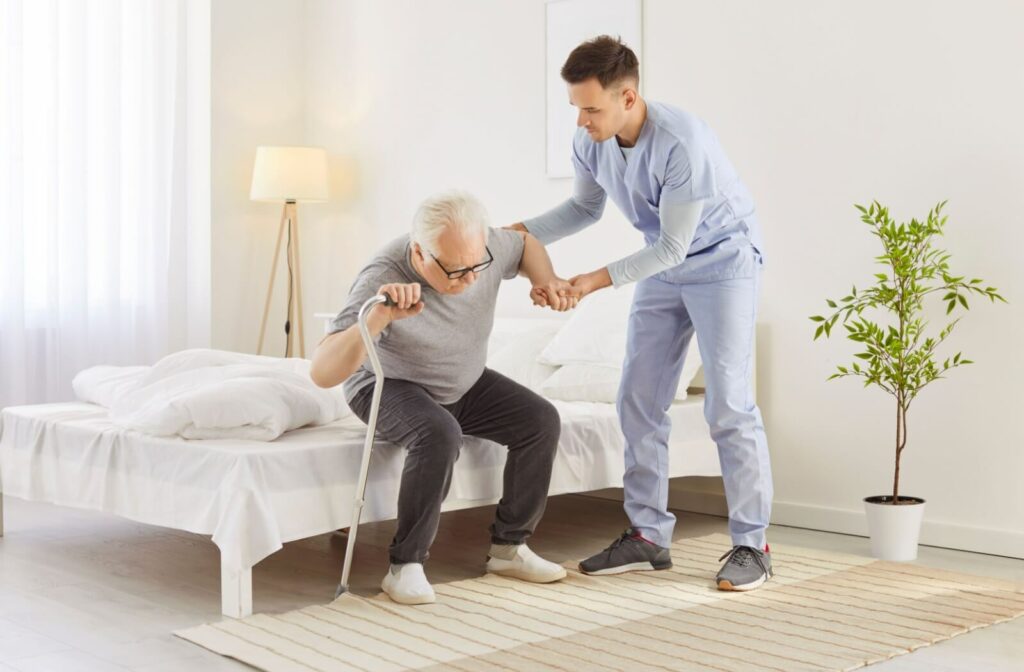
A clinical approach to assisted living brings medical support into the daily rhythm of care. That includes on-site licensed nurses, medication management, routine health assessments, and stronger coordination with outside healthcare providers. Now, the best communities raise the bar for safety and support without losing the social aspect that residents still need.
Why This Shift Is Happening Now
Many seniors today are living at home for much longer. However, many seniors find that living at home is boring. There’s no socialization. The social model of assisted living stays relevant due to this problem, but now, communities are shifting to follow more of a clinical model as well.
Meanwhile, home health can eventually become very expensive. So, many people who are coming into communities now are only doing so when their health has been more compromised. That means people are looking for communities that can adapt as health conditions change, rather than requiring multiple moves between different levels of care.
What Does the Clinical Model Look Like in Practice?
Shifting to the clinical model doesn’t mean abandoning the social aspects of senior living entirely. Many operators now aim for a balance: roughly 60% clinical wellness and 40% social lifestyle. But the real test is whether your community is prepared to deliver both.
Adopting a medical model means you’re going to need to pay attention to:
- Alignment with current regulatory requirements for senior care
- Trained, licensed, and qualified team members
- Infrastructure to support assessments, interventions, and care planning
- Flexibility in adjusting care as resident needs evolve
While the investment can be significant, the reward is clear: greater revenue opportunities, improved family satisfaction, and expanded reach across higher-need populations.
Is Technology an Important Factor?
Technology has been slow to evolve in the senior housing space. Still, there are areas where fall prevention technology and electronic medical health records are making it easier. They help caregivers provide preventative—and personalized—care to every resident.
Other areas of technology can be tricky. During the early stages of advancements, make sure you’re prioritizing technology that benefits your residents. Try focusing on things such as:
- Tools that simplify caregiver tasks
- Systems that provide clear clinical insight
- Products that demonstrably benefit resident wellbeing
If a certain piece of technology doesn’t, it’s important to consider whether the costs are actually worth the potential benefits for residents. The most effective tools are the ones that support—not replace—human connection and professional care.
Every community is different, and the necessary steps will depend not only on what your community currently offers but also on where you’re operating. Local regulations and the demographics of your community play a role in what’s needed to transition to a clinical model.
How Communities Can Begin the Transition
Often, working with a partner can help make this kind of transition easier. Kaplan has been a family-run business in the senior housing industry for over 40 years, and we’ve seen exactly how shifts in the industry over those decades have made operations different.
When new communities work with us, we bring years of experience, our network of connections, and a hands-on approach to help communities. We don’t just want to manage communities. We want to work together with all the staff and stakeholders to make sure everyone is set up for success. Contact us to learn more and speak with us today!